Why are Dry Risers Used?
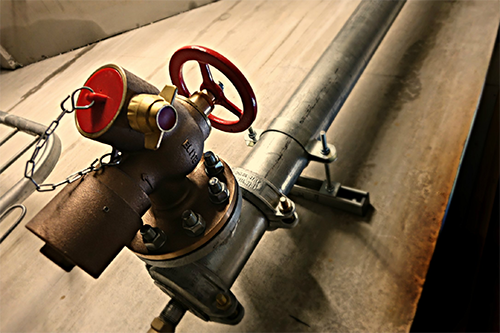
Dry risers are vertical pipes or ducts that are installed in buildings to provide a means of delivering water to upper floors in the event of a fire. They are called dry risers because they are not constantly filled with water like wet risers, which are typically used in lower-rise buildings.
Dry risers usually consist of a pipe with an inlet valve on the ground floor and one or more outlet valves on each floor, typically located in a staircase or lobby area. These outlet valves are typically marked with signs indicating their location and the maximum flow rate of water they can deliver.
Why are Dry Risers Important?
Dry risers are important because they allow firefighters to quickly and easily access water on upper floors of a building in the event of a fire. Without dry risers, firefighters would have to rely on hoses that may not be long enough to reach upper floors, which could result in delays and potentially more severe damage to the building.
In addition to providing access to water for firefighters, dry risers can also be used by building occupants to fight small fires before they become too large to handle. This can help to contain a fire and prevent it from spreading to other parts of the building.
Why are Dry Risers Important?
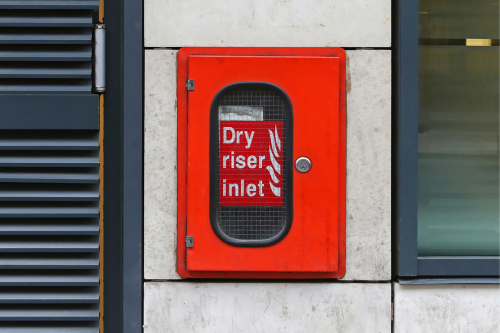
Dry risers are typically located in stairwells or other easily accessible areas of a building. They are usually marked with signs indicating their location and the maximum flow rate of water they can deliver.
In high-rise buildings, dry risers are typically installed in a dedicated fire riser shaft, which is a vertical shaft that runs the height of the building and is enclosed by fire-resistant walls and doors. This helps to prevent the spread of fire and smoke through the riser shaft and provides a safe means of access for firefighters.
Why are Dry Risers Important?
Dry risers should be serviced regularly to ensure that they are functioning properly and will be ready to use in the event of a fire. Regular servicing can also help to identify and address any issues before they become more serious and potentially more expensive to repair.
The frequency of servicing will depend on a number of factors, including the age of the building, the level of usage of the dry riser system, and local regulations.
In general, dry risers should be inspected and tested at least once a year, with more frequent servicing recommended for buildings that have high levels of usage or are located in areas with particularly harsh environmental conditions.
During a servicing, a qualified technician will typically inspect the dry riser system for signs of damage, corrosion, or wear and tear, and test the inlet and outlet valves to ensure that they are functioning properly.
They may also flush the system with water to remove any debris or sediment that may have accumulated over time.
In conclusion, dry risers are an important component of fire safety systems in high-rise buildings, providing a means of delivering water to upper floors in the event of a fire.
They should be located in easily accessible areas of the building, marked with signs indicating their location and flow rate, and serviced regularly to ensure that they are functioning properly.
Regular servicing can help to identify and address any issues before they become more serious and potentially more expensive to repair, helping to ensure the safety of building occupants and firefighters alike.